

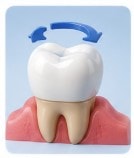
Yes, dental crowns can be replaced. Most crowns last 10–15 years, and many last longer with good care. Replacement is needed when a crown cracks, chips, no longer fits properly, develops decay at the margin, or simply wears down over time. The process is similar to getting the original crown.
What You'll Learn
When Does a Crown Need to Be Replaced?
Dental crowns are durable, but they are not permanent. Common reasons a crown may need replacement include: the crown has cracked, chipped, or broken; the crown has worn down significantly over many years; decay has developed at the margin where the crown meets the tooth; the crown no longer fits properly due to changes in the surrounding teeth or bite; the crown has come loose or fallen off; the underlying tooth has been damaged or fractured; or the crown is old and cosmetically outdated.
Your dentist evaluates your crowns at each checkup. X-rays can reveal decay beneath a crown that is not visible to the eye.
What Does Crown Replacement Involve?
Replacing a crown is a similar process to placing the original one. At the first appointment, the old crown is carefully removed, the tooth is examined for decay or damage and treated if needed, the tooth is reshaped as necessary, an impression or digital scan is taken, and a temporary crown is placed while the permanent one is fabricated.
At the second appointment (typically 1–2 weeks later), the temporary crown is removed and the permanent crown is cemented in place. The fit, bite, and appearance are checked before final placement.
If the tooth underneath has significant decay or fracture, additional treatment — such as a buildup, post, or in some cases a root canal — may be needed before the new crown can be placed.
Can the Tooth Underneath Always Be Saved?
In most cases, yes — the tooth can be saved and a new crown placed. However, there are situations where the underlying tooth is too compromised: severe decay that has destroyed most of the tooth structure, a vertical fracture that extends below the gumline, advanced bone loss from gum disease around the tooth, or a failed root canal with persistent infection.
If the tooth cannot be saved, extraction followed by a dental implant or bridge is typically the next step. Your dentist will evaluate the tooth thoroughly before recommending extraction — saving a natural tooth is almost always the preferred option when possible.
How Long Will a Replacement Crown Last?
A replacement crown has the same expected lifespan as any other crown — typically 10–15 years, with many lasting 20 years or more. Zirconia crowns are the most durable and are now the most commonly placed. Porcelain-fused-to-metal crowns are strong but the porcelain layer can chip. All-ceramic crowns offer excellent aesthetics but are more prone to fracture under heavy biting forces. Gold crowns are extremely durable and gentle on opposing teeth — often the best choice for back molars.
Your dentist will recommend the best material based on the location of the tooth, your bite, and your aesthetic preferences.
Frequently Asked Questions
Crown Concerns? We Can Help.
Whether your crown needs repair or replacement, our team will evaluate your options and recommend the best path forward.