
Can Implants Fail?
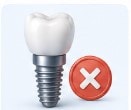
Yes, implants can fail, but it is uncommon. The overall success rate for dental implants is approximately 95 to 98 percent over 10 years. Most failures occur in the first year after placement and are related to healing problems, infection, or insufficient bone.
What You'll Learn
Early vs. Late Implant Failure
Implant failure is classified as early or late. Early failure occurs within the first few months after placement, before or shortly after the implant integrates with the bone. It is most often caused by infection, poor bone quality, or a healing problem. Late failure occurs after the implant has successfully integrated and can be caused by gum disease around the implant (peri-implantitis), excessive biting forces, or trauma. Early failure is more common than late failure.
Risk Factors for Implant Failure
Smoking is one of the strongest risk factors for implant failure — it impairs healing and reduces blood flow to the bone. Uncontrolled diabetes also increases the risk of infection and poor healing. Insufficient bone volume or density can prevent the implant from integrating properly, though bone grafting can often address this before placement. Gum disease, poor oral hygiene, and bruxism (teeth grinding) also increase the risk of failure.
Signs of Implant Failure
Warning signs include pain or discomfort around the implant that does not resolve after healing, swelling or redness in the gum tissue around the implant, the implant feeling loose or mobile, or difficulty chewing. If you notice any of these signs, contact your dentist promptly. Early intervention can sometimes save a failing implant.
What Happens If an Implant Fails
If an implant fails, it is typically removed. After the area heals, a new implant can often be placed, sometimes with a bone graft to rebuild the site. The success rate for replacement implants is similar to that of initial placements. Implant failure is disappointing, but it does not mean you cannot have an implant — it means the process needs to be repeated with any underlying issues addressed.
Frequently Asked Questions
Questions About Dental Implants?
Schedule an implant consultation and we will evaluate whether implants are right for you.