How Can I Reduce My Cavity Risk?
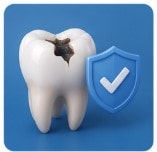
Most cavities are preventable. The most effective strategies are brushing twice daily with fluoride toothpaste, flossing daily, limiting sugary and acidic foods and drinks, drinking fluoridated water, and attending regular dental checkups and cleanings.
What You'll Learn
Daily Habits That Prevent Cavities
The foundation of cavity prevention is consistent daily oral hygiene. These habits disrupt the bacterial plaque that produces the acid responsible for decay.
Brush twice daily with fluoride toothpaste
Brushing removes plaque and delivers fluoride to strengthen enamel. Use a soft-bristled brush and brush for two full minutes each time.
Floss once daily
Flossing removes plaque and food from between teeth — areas your toothbrush cannot reach. Most interproximal cavities are preventable with consistent flossing.
Use a fluoride mouth rinse
A daily fluoride rinse adds an extra layer of protection, especially for patients with a history of cavities or dry mouth.
Replace your toothbrush every three months
Worn bristles are less effective at removing plaque. Replace your brush when the bristles begin to fray.
Diet and Lifestyle Choices That Reduce Cavity Risk
What you eat and drink — and how often — has a significant impact on your cavity risk. Every time you consume sugar or starch, bacteria produce acid for about 20 minutes. Frequent snacking keeps your teeth under acid attack most of the day.
Limit sugary and starchy snacks between meals
Confining sugar exposure to mealtimes gives your saliva time to neutralize acid and remineralize enamel between eating occasions.
Avoid sipping sugary or acidic drinks throughout the day
Soda, juice, sports drinks, and even coffee with sugar keep teeth bathed in acid continuously. Drink them quickly and rinse with water.
Drink fluoridated tap water
Community water fluoridation reduces cavity rates significantly. Drinking tap water throughout the day also rinses away food and bacteria.
Chew sugar-free xylitol gum after meals
Xylitol inhibits the growth of cavity-causing bacteria and stimulates saliva flow, which neutralizes acid and remineralizes enamel.
Professional Prevention at Your Dental Visits
Regular cleanings remove tartar that brushing cannot reach, and your dentist can apply fluoride varnish and dental sealants to further reduce your risk. Sealants are thin coatings applied to the grooves of back teeth — the most cavity-prone surfaces — and can reduce decay risk by up to 80% in those areas. Most adults benefit from checkups every six months; patients with higher cavity risk may benefit from more frequent visits.
Frequently Asked Questions
Ready to Protect Your Smile?
We offer personalized prevention plans including cleanings, fluoride, and sealants. Let us help you stay cavity-free.
Related Services