How Long Do Bridges Last?
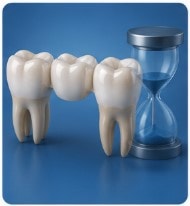
Dental bridges typically last 10 to 15 years, and many last significantly longer with proper care. The longevity of a bridge depends on the material used, the health of the supporting teeth, your oral hygiene, and your bite forces.
What You'll Learn
What Affects How Long a Bridge Lasts?
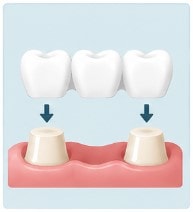
A bridge is only as strong as the teeth supporting it. Keeping the abutment (anchor) teeth healthy is the most important factor in bridge longevity.
Health of the supporting teeth
The abutment teeth bear the load of the bridge. If they develop decay or gum disease, the bridge can fail even if the bridge itself is intact.
Bridge material
Porcelain-fused-to-metal and zirconia bridges are the most durable. All-ceramic bridges look excellent but may be more prone to chipping under heavy forces.
Oral hygiene under the bridge
Food and bacteria can accumulate under the pontic (the false tooth). Flossing under the bridge with a floss threader or water flosser is essential to prevent decay and gum disease.
Bite forces and grinding
Heavy bite forces and bruxism accelerate wear on the bridge and the supporting teeth. A night guard can protect the bridge if you grind.
Regular dental checkups
Your dentist checks bridge margins and the health of the supporting teeth at every exam. Early detection of problems can prevent bridge failure.
Signs Your Bridge May Need Replacing
Watch for these signs: pain or sensitivity in the supporting teeth, the bridge feeling loose or rocking, visible darkening at the margins, food consistently catching under the bridge, or a crack you can feel. If a supporting tooth develops decay or the bridge cement fails, the bridge may need to be removed and recemented or replaced.
Frequently Asked Questions
Questions About Your Bridge?
We check every bridge at your regular exam. Proper care keeps your bridge lasting as long as possible.