
Can Children Get Cavities in Baby Teeth?
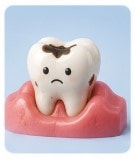
Yes. Baby teeth are just as susceptible to cavities as permanent teeth — and in some ways more so, because the enamel is thinner. Cavities in baby teeth should be treated promptly to protect the developing permanent teeth underneath.
What You'll Learn
Why Baby Teeth Get Cavities
Baby teeth have thinner enamel than permanent teeth, which means decay can progress more quickly once it starts. Children are also more likely to consume sugary foods and drinks and may not brush and floss as effectively as adults. Early childhood caries (ECC), sometimes called baby bottle tooth decay, is one of the most common chronic diseases in children. It is caused by frequent exposure to sugary liquids — including juice, milk, and formula — especially when a child falls asleep with a bottle.
Why Treating Baby Teeth Matters
Some parents assume that cavities in baby teeth do not need treatment because the teeth will fall out anyway. This is a misconception. Untreated cavities in baby teeth can cause pain, infection, and difficulty eating. They can also damage the developing permanent teeth underneath. Baby teeth hold space for permanent teeth — if a baby tooth is lost too early due to decay, the surrounding teeth can shift and crowd the space, leading to orthodontic problems later.
How Cavities in Baby Teeth Are Treated
Treatment depends on the size and location of the cavity. Small cavities are filled with tooth-colored composite resin. Larger cavities may require a stainless steel crown to protect the remaining tooth structure. If the cavity has reached the nerve, a pulpotomy (a baby tooth root canal) may be needed. If the tooth cannot be saved, it may need to be extracted, and a space maintainer may be placed to hold the space for the permanent tooth.
Preventing Cavities in Children
Brush your child's teeth twice daily with a fluoride toothpaste as soon as the first tooth appears. Limit sugary drinks and snacks, and never put a child to bed with a bottle of juice or milk. Begin flossing when two teeth touch. Schedule your child's first dental visit by age one or when the first tooth appears. Regular checkups allow your dentist to catch early decay before it becomes a larger problem.
Frequently Asked Questions
Schedule Your Child's Dental Visit
We recommend a first visit by age one. Regular checkups catch cavities early and keep your child's smile healthy.