
Why Do Some People Get More Cavities Than Others?
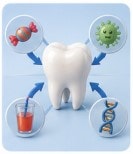
Cavity risk is influenced by genetics, diet, oral hygiene habits, saliva composition, and the bacteria present in your mouth. Some people are simply more susceptible to decay than others, but risk can be managed with the right preventive care.
What You'll Learn
The Role of Bacteria
Cavities are caused by specific bacteria — primarily Streptococcus mutans — that live in the mouth and produce acid when they consume sugar. The amount and type of bacteria in your mouth is partly determined by genetics and partly by early exposure. Children can acquire cavity-causing bacteria from their parents through shared utensils or kisses. People with higher concentrations of these bacteria in their saliva are at greater risk for cavities, regardless of how well they brush.
Genetics and Tooth Structure
Genetics influence the strength and composition of your enamel, the shape of your teeth, and the flow and composition of your saliva. Deep grooves and pits in the back teeth are more difficult to clean and more prone to trapping food and bacteria. Thin or poorly mineralized enamel is more vulnerable to acid attack. These structural factors are inherited and cannot be changed, but they can be addressed with preventive measures like sealants and fluoride treatments.
Diet and Lifestyle
Frequent consumption of sugary and acidic foods and drinks feeds cavity-causing bacteria and weakens enamel. Sipping on sugary drinks throughout the day is particularly harmful because it keeps the mouth in a constant state of acid attack. Dry mouth — caused by certain medications, medical conditions, or mouth breathing — reduces saliva flow, which normally neutralizes acid and remineralizes enamel. Smoking also increases cavity risk by reducing saliva and promoting bacterial growth.
Oral Hygiene and Professional Care
Even people with high genetic risk can significantly reduce their cavity rate with excellent oral hygiene and regular professional care. Brushing twice daily with fluoride toothpaste, flossing daily, and attending regular cleanings removes plaque before it can cause damage. Fluoride treatments, dental sealants, and prescription-strength fluoride toothpaste can provide additional protection for high-risk patients.
Frequently Asked Questions
Concerned About Your Cavity Risk?
Schedule a cleaning and exam and we will assess your risk and recommend a personalized prevention plan.