Can Medications Cause Dry Mouth?
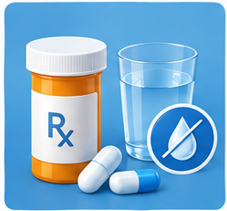
Yes. Over 500 medications — including antihistamines, antidepressants, blood pressure drugs, and diuretics — can reduce saliva flow. Saliva is essential for neutralizing acids and washing away bacteria, so dry mouth significantly raises your cavity risk.
What You'll Learn
Which Medications Cause Dry Mouth?
Dry mouth (xerostomia) occurs when medications reduce the output of the salivary glands. It is one of the most common medication side effects and affects millions of Americans.
Antihistamines (allergy medications)
Common allergy drugs like diphenhydramine (Benadryl) and cetirizine can significantly reduce saliva production.
Antidepressants and anti-anxiety medications
Many SSRIs, SNRIs, and benzodiazepines list dry mouth as a common side effect.
Blood pressure medications
Diuretics, beta-blockers, and ACE inhibitors can all reduce saliva flow.
Decongestants
Pseudoephedrine and similar decongestants dry out mucous membranes, including the mouth.
Bladder medications (anticholinergics)
These drugs block the nerve signals that stimulate saliva production.
Chemotherapy and radiation to the head and neck
These treatments can permanently damage salivary glands, causing severe chronic dry mouth.
Why Dry Mouth Is a Dental Problem
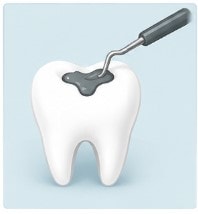
Saliva neutralizes acids produced by bacteria, washes away food particles, and contains minerals that help remineralize enamel. Without adequate saliva, acids linger on teeth longer, bacteria thrive, and enamel weakens — all of which accelerate cavity formation. Patients with chronic dry mouth often develop cavities in unusual locations, such as along the gumline or on the root surfaces of teeth.
Frequently Asked Questions
Dealing with Dry Mouth?
We can help you protect your teeth and manage dry mouth. Let us create a prevention plan for you.