What Is Dry Mouth?
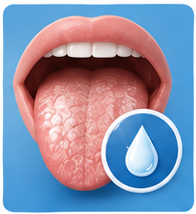
Dry mouth (xerostomia) is a condition in which the salivary glands do not produce enough saliva to keep the mouth moist. It is not a disease itself but a symptom of an underlying cause — most commonly medications, dehydration, or medical conditions.
What You'll Learn
What Are the Symptoms of Dry Mouth?
Dry mouth can range from mildly uncomfortable to significantly disruptive. It also creates serious dental risks because saliva plays a critical role in protecting teeth and gums.
A sticky, dry feeling in the mouth or throat
The most common symptom — the mouth feels parched even when you have been drinking water.
Difficulty chewing, swallowing, or speaking
Saliva lubricates food and the tissues of the mouth. Without it, these functions become uncomfortable.
A sore or burning sensation in the mouth
Dry tissues become irritated and inflamed, causing a persistent burning or raw feeling.
Cracked lips or dry corners of the mouth
Reduced saliva affects the lips and corners of the mouth, causing dryness and cracking.
Increased cavities or gum problems
The most serious dental consequence — without saliva to neutralize acids and wash away bacteria, decay accelerates.
How Does Dry Mouth Affect Dental Health?
Saliva is your mouth's natural defense system. It neutralizes acids, washes away food particles, delivers minerals to remineralize enamel, and controls the bacteria that cause cavities and gum disease. Chronic dry mouth removes all of these protections simultaneously, which is why patients with dry mouth often develop cavities rapidly — sometimes in unusual locations like the gumline or root surfaces.
Frequently Asked Questions
Concerned About Dry Mouth?
We can help you manage dry mouth and protect your teeth. Ask us about our prevention options.
Related Services