What Happens If a Cavity Is Left Untreated?
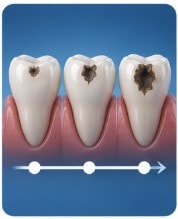
An untreated cavity progresses through the enamel, into the dentin, and eventually reaches the pulp (nerve). At that point, a root canal or extraction is required. Left even longer, the infection can spread to surrounding bone and tissue, becoming a serious health concern.
What You'll Learn
How Does an Untreated Cavity Progress?
Tooth decay follows a predictable path through the layers of the tooth. Each stage requires more extensive treatment than the last.
Stage 1: Enamel decay (no symptoms)
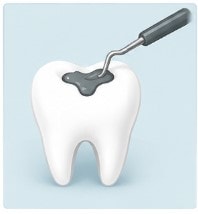
Decay begins in the outer enamel. At this stage, a small filling is all that is needed. There are no symptoms, which is why X-rays are essential.
Stage 2: Dentin decay (sensitivity begins)
Decay reaches the dentin, causing sensitivity to sweets, cold, and heat. A filling is still the standard treatment, though it may be larger.
Stage 3: Pulp involvement (pain begins)
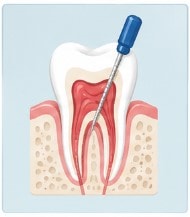
Decay reaches the nerve. Pain becomes spontaneous and severe. A root canal is now required to save the tooth.
Stage 4: Abscess formation (infection spreads)
The infection spreads to the root tip and surrounding bone, forming an abscess. Symptoms include severe pain, swelling, fever, and a bad taste. Emergency treatment is required.
Stage 5: Tooth loss and bone damage
If the abscess is not treated, the tooth may need to be extracted. The infection can spread to the jawbone and, in rare cases, to other areas of the body.
Can an Untreated Cavity Become a Medical Emergency?
Yes. A dental abscess — the result of untreated decay reaching the pulp — is a serious infection. In rare cases, oral infections can spread to the jaw, neck, or airway (Ludwig's angina) or cause sepsis. Swelling in the face or neck, difficulty swallowing or breathing, or fever alongside tooth pain are signs of a spreading infection that requires immediate emergency care.
Frequently Asked Questions
Do Not Wait on a Cavity
Every month of delay means more damage and more treatment. Call us today — we will get you in quickly.