What Does a Cavity Feel Like?
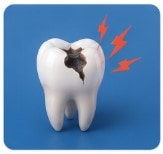
Early cavities often have no symptoms at all. As decay progresses, you may notice sensitivity to sweets, cold, or heat; a dull ache; or sharp pain when biting. By the time a cavity causes significant pain, it has usually reached the dentin or pulp and requires more extensive treatment.
What You'll Learn
What Are the Stages of Cavity Symptoms?
Cavity symptoms follow the progression of decay through the layers of the tooth. The earlier you catch it, the simpler the treatment.
No symptoms (enamel stage)
Early cavities confined to the enamel are painless. This is why regular X-rays are essential — they catch decay before it causes any discomfort.
Sensitivity to sweets or cold (dentin stage)
Once decay reaches the dentin, you may notice brief sensitivity to sweet foods, cold drinks, or cold air. This is often the first noticeable symptom.
Lingering sensitivity or dull ache (deep dentin)
As decay approaches the pulp, sensitivity lingers longer after the trigger is removed. A dull, persistent ache may develop.
Spontaneous pain or throbbing (pulp involvement)
When decay reaches the nerve, pain can occur without any trigger — often worse at night. This typically indicates the need for a root canal.
Visible hole, dark spot, or bad taste
Advanced decay may be visible as a dark spot or hole in the tooth. A bad taste or odor can indicate infection.
When Should I Call the Dentist?
Any new tooth sensitivity — especially to sweets or cold — is worth mentioning at your next appointment. Call sooner if you have spontaneous pain, pain that wakes you at night, visible darkening or a hole in a tooth, swelling, or a bad taste in your mouth. These signs suggest the decay has progressed significantly and prompt treatment prevents more extensive intervention.
Frequently Asked Questions
Think You Might Have a Cavity?
Do not wait for pain to get worse. Early treatment is faster, less expensive, and more comfortable.
Related Services