
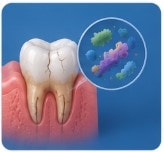
Swollen gums are most often caused by gum disease — a bacterial infection that inflames the gum tissue. Other causes include dental abscesses, irritation from food or dental appliances, hormonal changes, and certain medications. Persistent swelling lasting more than a week should be evaluated by a dentist.
Common Causes of Swollen Gums
Gum Disease (Gingivitis or Periodontitis)
The most common cause. Plaque buildup along the gumline triggers an immune response that causes inflammation, swelling, and bleeding. Gingivitis is the early, reversible stage. If untreated, it can progress to periodontitis, which causes deeper tissue and bone damage.
Dental Abscess
A bacterial infection at the root of a tooth or in the gum tissue can cause localized swelling, pain, and sometimes a visible bump. An abscess requires prompt dental treatment.
Food or Debris Trapped Under the Gum
A piece of food, popcorn hull, or other debris lodged between the tooth and gum can cause localized swelling and irritation. Flossing and rinsing often resolves this.
Medications
Certain medications — including some blood pressure drugs, anticonvulsants, and immunosuppressants — can cause gum overgrowth and swelling as a side effect.
Hormonal Changes
Pregnancy, puberty, and menstruation can increase gum sensitivity and cause swelling due to hormonal fluctuations that affect blood flow to the gums.
⚠️ When to See a Dentist Promptly
- •Swelling has lasted more than one week
- •Swelling is accompanied by significant pain or fever
- •You notice a visible bump or pus on the gum
- •Swelling is spreading to the jaw or neck
- •You have difficulty opening your mouth or swallowing
Frequently Asked Questions
Dealing With Swollen Gums?
Our team can identify the cause and recommend the right treatment — whether that means a cleaning, a deep cleaning, or same-day care for an infection.