Why Are My Teeth Sensitive to Cold?
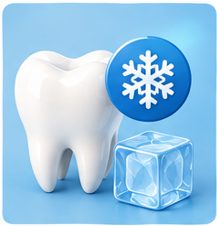
Cold sensitivity happens when the inner layer of your tooth (dentin) becomes exposed — from enamel erosion, gum recession, a crack, or decay. Cold liquids or air reach the nerve through tiny tubules in the dentin, triggering a sharp, brief pain. Most causes are treatable.
What You'll Learn
What Causes Cold Sensitivity?
Your teeth have an outer layer of enamel that insulates the sensitive inner dentin. When that insulation is compromised — by erosion, recession, cracks, or decay — cold temperatures can reach the nerve endings inside the tooth, causing that familiar sharp, brief pain.
Enamel erosion
Acidic foods, drinks, and acid reflux wear down enamel over time, exposing the sensitive dentin layer underneath.
Gum recession
When gums pull back, the root surface — which has no enamel — becomes exposed. Root surfaces are highly sensitive to temperature.
Teeth grinding (bruxism)
Grinding wears down enamel and can cause micro-cracks that allow cold to reach the nerve more easily.
Cracked tooth
A crack in the tooth allows cold liquids to reach the inner pulp, causing sharp, sudden pain.
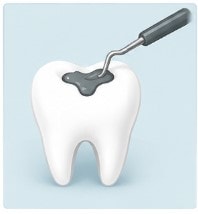
Cavity or decay
Decay creates a pathway for temperature changes to reach the nerve, causing sensitivity that worsens as the cavity grows.
Recent dental work
Fillings, cleanings, and whitening treatments can cause temporary sensitivity that usually resolves within a few weeks.
When Should I See a Dentist?
Not all cold sensitivity requires urgent care, but see your dentist promptly if the sensitivity is sharp or severe, lingers more than 30 seconds after the cold is removed, is getting worse over time, is accompanied by pain when biting or swelling, or started suddenly with no obvious cause. Sensitivity that lingers may indicate nerve involvement, which often requires a root canal to resolve.
Frequently Asked Questions
Bothered by Cold Sensitivity?
Most sensitivity is very treatable. Let us find the cause and get you comfortable again.
Related Services