
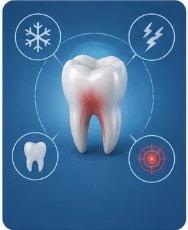
Tooth sensitivity is caused by exposed dentin — the layer beneath your enamel. At home, sensitivity toothpaste, soft-bristle brushing, and avoiding acidic foods can help. For lasting relief, the underlying cause (enamel erosion, gum recession, grinding, or a cavity) needs to be treated by a dentist.
What You'll Learn
Why Do Teeth Become Sensitive?
Tooth sensitivity happens when the dentin — the layer beneath your enamel — becomes exposed. Dentin contains thousands of tiny channels called dentinal tubules that lead directly to the nerve. When these tubules are exposed, temperature changes, sweet foods, and pressure can trigger a sharp, sudden pain.
Enamel protects the dentin on the crown of the tooth. Cementum protects the root. When either of these protective layers wears away or recedes, sensitivity follows.
Enamel erosion
Acidic foods, drinks, and acid reflux wear away the protective enamel layer, exposing the sensitive dentin underneath.
Gum recession
When gums pull back from the tooth, the root surface — which has no enamel — becomes exposed. Root surfaces are highly sensitive to temperature and pressure.
Teeth grinding (bruxism)
Grinding wears down enamel over time and can cause widespread sensitivity across multiple teeth.
Cracked tooth
A crack in the tooth allows temperature and pressure to reach the nerve directly, causing sharp, sudden sensitivity.
Cavity or decay
Decay that reaches the dentin or pulp causes sensitivity to sweet, cold, and pressure.
Recent dental work
Fillings, crowns, cleanings, and whitening treatments can cause temporary sensitivity that typically resolves within a few weeks.
Brushing too hard
Aggressive brushing with a hard-bristle brush can wear away enamel and cause gum recession over time.
At-Home Ways to Reduce Sensitivity
Switch to sensitivity toothpaste
Toothpastes containing potassium nitrate or stannous fluoride (like Sensodyne or Colgate Sensitive) block dentinal tubules and desensitize the nerve over time. Use consistently for 2–4 weeks to see results.
Use a soft-bristle toothbrush
Hard bristles and aggressive brushing wear away enamel and cause gum recession. Switch to a soft-bristle brush and use gentle, circular motions.
Limit acidic foods and drinks
Citrus fruits, soda, sports drinks, and vinegar-based foods erode enamel. Reduce frequency, and rinse with water after consuming them. Avoid brushing immediately after — wait 30 minutes.
Use a fluoride mouthwash
Fluoride strengthens enamel and can help reduce sensitivity over time. Rinse with a fluoride mouthwash daily, ideally at a different time than brushing.
Wear a night guard if you grind
If you grind your teeth at night, a custom night guard from your dentist protects your enamel from further wear. Over-the-counter guards are available but a custom fit is more effective and comfortable.
Avoid whitening products temporarily
Whitening treatments can increase sensitivity. If your teeth are already sensitive, pause whitening until the sensitivity is under control.
Professional Treatments for Tooth Sensitivity
Fluoride varnish
Applied at your cleaning appointment, fluoride varnish strengthens enamel and blocks dentinal tubules for significant sensitivity relief.
Dental bonding
A tooth-colored resin applied to exposed root surfaces to cover and protect sensitive areas.
Gum grafting
For significant gum recession, a gum graft covers exposed root surfaces and restores the protective tissue.
Dental crown
A crown covers a cracked or severely worn tooth, protecting the dentin and eliminating sensitivity from that tooth.
Root canal
For severe sensitivity caused by nerve damage or infection, a root canal removes the nerve entirely, eliminating the pain permanently.
Custom night guard
A professionally fitted night guard prevents grinding from causing further enamel wear and sensitivity.
When to See a Dentist
At-home remedies can manage mild sensitivity, but they don't treat the underlying cause. See a dentist if:
Sensitivity is severe or getting worse
Pain lingers for more than 30 seconds after the trigger is removed
Sensitivity is localized to one specific tooth
You have swelling, a visible crack, or a bad taste
At-home remedies haven't helped after 2–4 weeks
Sensitivity is affecting your ability to eat or drink normally
Related Treatments at Merchants Walk Dental
Teeth Cleaning & Periodontal Treatment
Professional cleanings and fluoride treatments to protect sensitive teeth.
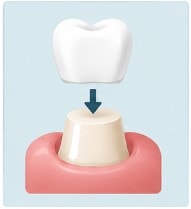
Dental Crowns
Protect a cracked or worn tooth causing sensitivity.
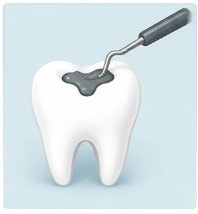
Dental Fillings
Treat cavities before they cause persistent sensitivity.
Emergency Dental Services
Same-day care for sudden or severe tooth pain.
Frequently Asked Questions
Related Learning Center Articles
Should I Brush Before or After Breakfast?
Timing your brushing right protects enamel from breakfast acids.
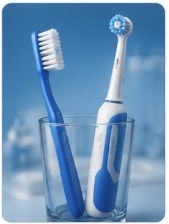
Is an Electric Toothbrush Better Than a Manual?
Compare electric and manual toothbrushes to find the right fit for your routine.
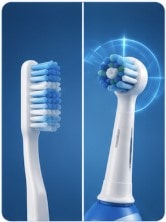
How Often Should I Replace My Toothbrush?
Learn the signs that it's time for a new brush and why it matters.

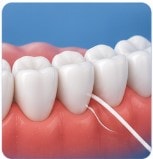
What Is the Correct Way to Floss?
Step-by-step flossing technique to protect your gums and remove plaque.
Dealing with tooth sensitivity?
We can identify the cause and recommend the right treatment to give you lasting relief. Schedule an exam today.
Schedule an Appointment(770) 691-5051