

The American Dental Association recommends replacing your toothbrush every 3 to 4 months — or sooner if the bristles are frayed. A worn toothbrush is significantly less effective at removing plaque and can harbor bacteria.
What You'll Learn
Why Every 3 Months?
Toothbrush bristles are designed to flex slightly as they clean between teeth and along the gumline. Over time — typically around 3 months of twice-daily brushing — those bristles become frayed and lose their shape. Frayed bristles are less effective at removing plaque and can be rough on gum tissue.
Beyond bristle wear, toothbrushes accumulate bacteria over time. While rinsing after use removes most bacteria, some remain on the bristles. After months of use, this buildup can become significant — especially if the brush is stored in a moist environment.
The 3-month guideline is a practical rule that accounts for both bristle wear and hygiene. Some people may need to replace sooner — especially if they brush vigorously or if bristles fray quickly.
Signs It's Time to Replace Your Toothbrush
Bristles are frayed or splayed
Frayed bristles lose their cleaning effectiveness and can irritate gums
It's been more than 3 months
Bristle wear and bacterial buildup make old brushes less effective even if they look okay
You've been sick
Replace after bacterial infections to avoid reintroducing bacteria to your mouth
Bristles are discolored
Discoloration can indicate bacterial or mold buildup
The handle is cracked or damaged
Cracks can harbor bacteria and make the brush harder to grip properly
How to Store Your Toothbrush Properly
Store upright in a holder so it can air dry completely between uses
Keep it away from other brushes so bristles do not touch
Rinse thoroughly with tap water after every use
Cover with a cap or store in a closed container when wet — this traps moisture and promotes bacterial growth
Store near the toilet without a lid — flushing disperses airborne particles
Share toothbrushes — even with family members
Frequently Asked Questions
Related Learning Center Articles
Should I Brush Before or After Breakfast?
Timing your brushing right protects enamel from breakfast acids.
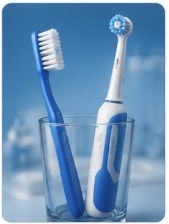
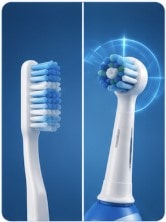
Is an Electric Toothbrush Better Than a Manual?
Compare electric and manual toothbrushes to find the right fit for your routine.
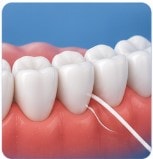
What Is the Correct Way to Floss?
Step-by-step flossing technique to protect your gums and remove plaque.
How Do I Reduce Tooth Sensitivity?
Identify the cause of sensitivity and find lasting relief.
Due for a cleaning?
A professional cleaning removes buildup that even the best toothbrush can't reach. Schedule your next visit today.
Schedule an Appointment(770) 691-5051