
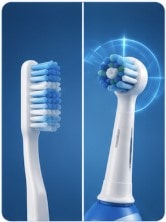
Yes — electric toothbrushes are clinically proven to remove more plaque and reduce gingivitis better than manual brushes. But a manual toothbrush used with proper technique is still effective. The best toothbrush is the one you'll use correctly, every day.
What You'll Learn
What the Research Says
A large Cochrane Review — one of the most comprehensive analyses in dental research — found that oscillating-rotating electric toothbrushes reduced plaque by 21% and gingivitis by 11% more than manual toothbrushes after three months of use.
The advantage comes from the consistent motion and speed of the brush head. Electric toothbrushes make thousands of strokes per minute — far more than any manual brushing technique. They also make it easier to maintain the correct angle and pressure.
That said, a manual toothbrush used with proper technique — the right angle, gentle pressure, and two full minutes — can achieve excellent results. The gap between electric and manual narrows significantly when manual brushing is done correctly.
Electric vs. Manual: Side-by-Side
| Category | Electric | Manual |
|---|---|---|
| Plaque removal | Superior (21% more effective on average) | Good with proper technique |
| Gum health | Better reduction in gingivitis | Adequate with consistent brushing |
| Ease of use | Does most of the work for you | Requires proper technique |
| Pressure control | Built-in sensors on many models | Relies on user awareness |
| Timer | Built-in 2-minute timer standard | Must time yourself |
| Cost | $30–$200+ upfront + replacement heads | $2–$10, replace every 3 months |
| Travel | Bulkier, needs charging | Compact, no charging needed |
Who Benefits Most From an Electric Toothbrush?
People with braces or dental work
Electric brushes clean around brackets, wires, and crowns more effectively.
People with limited dexterity
Arthritis, carpal tunnel, or other conditions that affect hand movement make electric brushes much easier to use.
People who brush too hard
Pressure sensors on electric brushes help prevent enamel wear and gum recession from aggressive brushing.
People who rush through brushing
Built-in timers ensure you brush for the full two minutes every time.
Children who resist brushing
The novelty of an electric toothbrush often makes kids more willing to brush consistently.
People prone to gum disease or cavities
The superior plaque removal of electric brushes can make a meaningful difference for those with higher dental risk.
Frequently Asked Questions
Related Learning Center Articles
Should I Brush Before or After Breakfast?
Timing your brushing right protects enamel from breakfast acids.
How Often Should I Replace My Toothbrush?
Learn the signs that it's time for a new brush and why it matters.

What Is the Correct Way to Floss?
Step-by-step flossing technique to protect your gums and remove plaque.
How Do I Reduce Tooth Sensitivity?
Identify the cause of sensitivity and find lasting relief.
Questions about your oral care routine?
Our hygienists are happy to walk you through the best tools and techniques for your specific needs at your next visit.
Schedule an Appointment(770) 691-5051