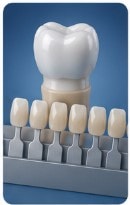
Dental crowns can be made from several materials: porcelain-fused-to-metal (PFM), all-ceramic or all-porcelain, zirconia, gold alloy, and base metal alloys. The best material for your crown depends on which tooth needs the crown, how much biting force it bears, your aesthetic preferences, and your budget. Most patients today choose zirconia or all-ceramic crowns for their natural appearance and durability.
What You'll Learn
The Main Types of Crown Materials
Crown technology has advanced significantly over the past two decades. Today's options range from traditional gold and metal alloys to highly aesthetic all-ceramic and zirconia restorations that are nearly indistinguishable from natural teeth.
Each material has specific strengths and trade-offs. Your dentist will recommend the most appropriate material based on the location of the tooth, the forces it must withstand, and your personal preferences.
Zirconia Crowns
Zirconia has become the most commonly recommended crown material at many dental practices, including Merchants Walk Dental. It is an extremely strong ceramic material that can withstand the heavy biting forces of back teeth while still looking natural.
Zirconia crowns are tooth-colored, metal-free, and highly biocompatible (meaning they are very unlikely to cause allergic reactions). They are durable enough for molars and attractive enough for front teeth, making them a versatile choice for most patients.
All-Ceramic and Porcelain Crowns
All-ceramic crowns offer the most natural appearance of any crown material. They transmit light similarly to natural tooth enamel, making them the preferred choice for front teeth where aesthetics are the top priority.
The trade-off is that traditional all-ceramic crowns are not as strong as zirconia and may not be the best choice for back molars that bear heavy chewing forces. However, newer ceramic formulations have improved significantly in strength.
Porcelain-Fused-to-Metal, Gold, and Metal Crowns
Porcelain-fused-to-metal (PFM)
PFM crowns have a metal substructure covered with tooth-colored porcelain. They are strong and aesthetic, but the metal margin can sometimes show as a dark line at the gumline over time. They were the standard for many years and are still a reliable option.
Gold alloy crowns
Gold crowns are extremely durable and gentle on opposing teeth. They require less tooth removal than other materials and rarely fracture. Their obvious downside is appearance — most patients prefer tooth-colored options. Gold crowns are sometimes recommended for back molars in patients who grind their teeth heavily.
Base metal alloy crowns
These crowns use non-precious metals that are very strong and resistant to corrosion. Like gold crowns, they are typically used only on back teeth where they will not be visible.
Which material is right for you?
Your dentist will consider the tooth location, your bite forces, aesthetic goals, and budget. Front teeth almost always receive ceramic or zirconia. Back molars may benefit from zirconia or gold if you grind your teeth. Your dentist will walk you through the options at your crown consultation.
Frequently Asked Questions
Related Articles
How Is a Crown Matched to My Natural Teeth?
How your dentist selects the right shade and shape for a seamless result.
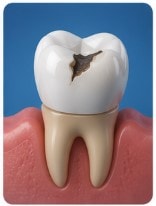
Crown vs. Filling: How Does Your Dentist Decide?
The key factors that determine whether you need a filling or a crown.
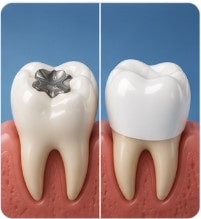
Can a Crown Get a Cavity?
Crowns protect teeth, but the tooth underneath can still be vulnerable.
What Happens If I Wait Too Long to Get a Crown?
Delaying a recommended crown can lead to more serious — and costly — problems.