
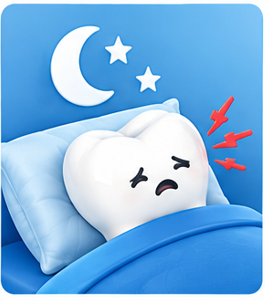
Tooth pain that worsens at night is usually caused by nerve involvement — from a deep cavity, a crack, or an infection. When you lie down, increased blood pressure to the head amplifies throbbing pain. Teeth grinding during sleep can also cause significant nighttime discomfort. This type of pain rarely resolves on its own and typically requires dental treatment.
What You'll Learn
Why Does Tooth Pain Get Worse at Night?
There are two main reasons tooth pain intensifies at night. First, when you lie down, blood flow to your head increases slightly, which raises pressure around an inflamed or infected tooth. This amplifies throbbing pain that may have been manageable while you were upright during the day.
Second, nighttime removes the distractions of daily life. During the day, your brain is occupied with work, conversations, and activity — all of which compete with pain signals. At night, with nothing else to focus on, even moderate pain can feel overwhelming.
Additionally, some people grind or clench their teeth during sleep without realizing it. This puts enormous pressure on teeth and jaw muscles, causing pain that is most noticeable when you wake up or during the night.
Common Causes of Nighttime Tooth Pain
Deep Cavity or Decay
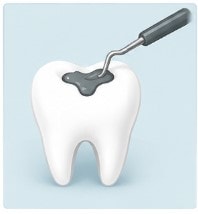
When a cavity reaches the inner layer of the tooth (the dentin or pulp), it can cause significant pain — especially when lying down. The nerve becomes irritated or inflamed, and the increased blood pressure at night makes the throbbing worse.
Dental Infection or Abscess
An abscess is a pocket of infection at the root of a tooth. It causes severe, throbbing pain that is often worse at night. You may also notice swelling, a bad taste in your mouth, or sensitivity to hot and cold. This is a dental emergency that requires prompt treatment.
Cracked Tooth
A crack in a tooth can expose the nerve to pressure and temperature changes. Cracks are not always visible on X-rays and can be difficult to diagnose, but they often cause sharp pain when biting and lingering aches at night.
Teeth Grinding (Bruxism)
Many people grind or clench their teeth during sleep without knowing it. This puts significant force on teeth and can cause generalized tooth soreness, jaw pain, and headaches that are worst in the morning. A custom night guard can protect your teeth from this damage.
Gum Recession or Exposed Roots
When gum tissue recedes, the sensitive root surface of the tooth becomes exposed. This can cause sharp pain from temperature changes or pressure — and lying down with your head at a different angle can sometimes trigger or worsen this sensitivity.
Recent Dental Work
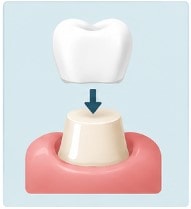
It is normal to experience some sensitivity after a filling, crown, or other dental procedure. This typically resolves within a few days to a couple of weeks. If pain is severe or worsening, contact your dentist.
Call Us Right Away If You Have These Signs
Some nighttime tooth pain is a dental emergency. Do not wait for a scheduled appointment if you experience any of the following:
Severe, throbbing pain that does not respond to over-the-counter medication
Swelling in your jaw, cheek, or neck
Fever alongside tooth pain
Difficulty swallowing or breathing
A bad taste or pus in your mouth
Pain spreading to your ear, jaw, or neck
What To Do Tonight
If you are dealing with tooth pain right now, here are some steps that may help you get through the night while you wait to see a dentist:
Take ibuprofen
Ibuprofen (Advil, Motrin) reduces both pain and inflammation. Follow the dosing instructions on the label. Do not exceed the recommended dose.
Elevate your head
Sleeping with your head slightly elevated can reduce blood pressure to the area and lessen throbbing pain. Use an extra pillow.
Avoid hot or cold foods
Temperature extremes can trigger or worsen pain from an exposed nerve. Stick to room-temperature foods and drinks.
Apply a cold compress
A cold pack on your cheek for 15–20 minutes can help reduce swelling and numb the area temporarily.
Call us first thing in the morning
Nighttime tooth pain is a signal that something needs attention. Do not wait to see if it goes away on its own.
Frequently Asked Questions
Tooth Pain Keeping You Up?
Don't suffer through another sleepless night. Our team at Merchants Walk Dental offers same-day emergency appointments for patients in pain. Call us now — we're here to help.
Related Services
More Articles
Why Does My Tooth Hurt When I Bite?
What Is Considered a Dental Emergency?
What Should I Do If My Tooth Chips?
Dental Emergency?
Severe pain, swelling, or fever? Call us right away for same-day care.
(770) 926-0048