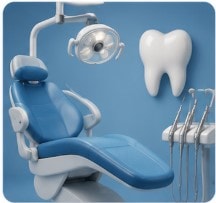
The American Academy of Pediatric Dentistry recommends that children have their first dental visit by age 1 — or within 6 months of their first tooth appearing. The first visit is short, gentle, and focused on getting your child comfortable with the dental environment. There is no drilling or scary equipment involved. It is mostly about building a positive relationship with the dentist and checking that development is on track.
What You'll Learn
When Should My Child First See a Dentist?
The American Academy of Pediatric Dentistry (AAPD) recommends the first dental visit by age 1, or within 6 months of the first tooth erupting — whichever comes first. Most children get their first tooth between 4 and 7 months of age.
Many parents wait until age 3 or 4, but early visits serve an important purpose: they allow the dentist to catch any early signs of decay, monitor jaw and bite development, and — most importantly — help your child build a positive association with dental care before any problems arise.
What Happens at the First Visit?
- 1
A warm welcome — Our team is experienced with young children and will take things at your child's pace. There is no rush.
- 2
A gentle exam — The dentist will count your child's teeth, check the gums and bite, and look for any early signs of decay or developmental concerns. For very young children, this may be done with the child sitting in your lap.
- 3
A gentle cleaning — If your child is cooperative, a light cleaning and polish may be performed to remove any plaque buildup.
- 4
Fluoride application — A quick fluoride treatment helps strengthen developing enamel and protect against cavities.
- 5
X-rays (if appropriate) — X-rays are typically not taken at the very first visit unless there is a specific concern. They are usually introduced once your child is comfortable and has enough teeth to evaluate.
- 6
Parent education — The dentist will talk with you about brushing technique, diet, pacifier and thumb-sucking habits, teething, and what to watch for at home.
How to Prepare Your Child
Talk about the dentist in a positive, matter-of-fact way — avoid words like "hurt," "shot," or "drill"
Read books or watch videos about going to the dentist beforehand
Play "dentist" at home — count each other's teeth with a toothbrush
Schedule the appointment at a time when your child is typically well-rested and in a good mood (morning appointments often work well)
Bring a comfort item (stuffed animal, blanket) if it helps your child feel secure
Stay calm yourself — children pick up on parental anxiety
What If My Child Is Nervous or Uncooperative?
This is completely normal, especially for toddlers. Our team is experienced with anxious children and will never force a child through a procedure. If your child is not ready for a full exam, we may simply introduce them to the chair, the light, and the tools — and count that as a successful visit. Building trust over multiple visits is far more valuable than completing a full exam under protest.
How Often Should Children See the Dentist?
Every 6 months, starting from the first visit. Regular checkups allow the dentist to:
Monitor the development of baby teeth and permanent teeth
Catch cavities early, when they are easiest and least expensive to treat
Apply fluoride and sealants to protect developing teeth
Address habits like thumb-sucking or pacifier use before they affect the bite
Build a trusting relationship so dental visits feel routine, not scary
Frequently Asked Questions
Related Learning Center Articles
Fluoride Questions? Here's What Parents Need to Know
Is fluoride safe? How much is enough? We answer the most common questions.

Can a Cavity Heal Itself?
Learn the 5 stages of a cavity and when treatment becomes necessary.
What Is Considered a Dental Emergency?
Know which situations need same-day care and what to do while you wait.
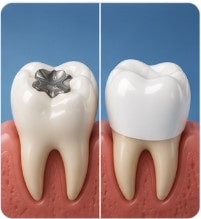
Crown vs. Filling: How Does Your Dentist Decide?
Learn when a filling is enough and when a crown is necessary.