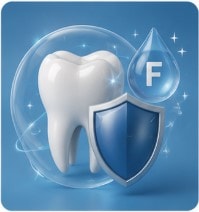
Fluoride is a naturally occurring mineral that strengthens tooth enamel and helps prevent cavities. It is safe, effective, and recommended by every major dental and pediatric health organization in the world. The most common concern parents have — that fluoride is harmful — is based on misunderstandings about dosage. At the amounts used in toothpaste, water, and dental treatments, fluoride is one of the most well-studied and beneficial tools in preventive dentistry.
What You'll Learn
How Does Fluoride Protect Teeth?
Teeth are constantly going through a cycle of demineralization (losing minerals) and remineralization (gaining minerals back). Acids from bacteria and food strip minerals from enamel. Fluoride helps by:
Strengthening enamel by incorporating into its structure, making it more resistant to acid attacks
Reversing early-stage decay (pre-cavity demineralization) before a hole forms
Inhibiting the bacteria that produce the acids that cause cavities
Fluoride does not eliminate cavities entirely, but it significantly reduces the risk — especially in children whose teeth are still developing.
Is Fluoride Safe for Children?
Yes. Fluoride has been studied extensively for over 70 years and is endorsed by the American Dental Association, the American Academy of Pediatrics, the World Health Organization, and the CDC. Community water fluoridation has been recognized as one of the 10 great public health achievements of the 20th century.
The concern most parents have heard about — dental fluorosis — occurs when children consume too much fluoride during the years when teeth are forming (roughly birth to age 8). Mild fluorosis appears as faint white spots on teeth and is cosmetic only. Severe fluorosis is rare and only occurs with very high fluoride intake over a long period.
To keep fluoride intake appropriate for young children:
Use a rice-grain-sized smear of fluoride toothpaste for children under 3
Use a pea-sized amount for children ages 3–6
Teach children to spit out toothpaste after brushing
Do not give fluoride supplements unless recommended by your dentist or pediatrician
Sources of Fluoride
Fluoridated water
Most municipal water supplies in the U.S. are fluoridated at 0.7 mg/L, the level recommended by the U.S. Public Health Service. This is the most consistent and passive source of fluoride.
Fluoride toothpaste
The most important daily source. Use the right amount for your child's age.
Professional fluoride treatments
Applied at dental visits as a varnish or gel. Especially beneficial for children at higher risk of cavities.
Fluoride supplements
Drops or tablets prescribed by a dentist or pediatrician for children in areas with non-fluoridated water. Not recommended without professional guidance.
What About Bottled Water and Filtered Water?
Many bottled waters do not contain fluoride, and some home filtration systems (particularly reverse osmosis filters) remove fluoride from tap water. If your family primarily drinks bottled or filtered water, your child may not be getting adequate fluoride from water.
Talk to your dentist — they may recommend fluoride supplements or more frequent professional fluoride treatments.
Professional Fluoride Treatments at the Dentist
At each checkup, we apply a fluoride varnish to your child's teeth. It takes about 30 seconds, is completely painless, and provides a concentrated dose of fluoride that strengthens enamel between visits.
We recommend avoiding eating or drinking for 30 minutes after application to allow the fluoride to absorb fully.
Frequently Asked Questions
Related Learning Center Articles
Your Child's First Dental Visit: What to Expect
What happens at the first appointment and how to prepare your child.
Can a Cavity Heal Itself?
Learn the 5 stages of a cavity and when treatment becomes necessary.
What Is Considered a Dental Emergency?
Know which situations need same-day care and what to do while you wait.
Crown vs. Filling: How Does Your Dentist Decide?
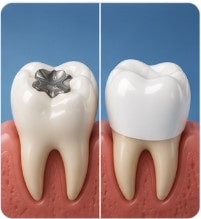
Learn when a filling is enough and when a crown is necessary.