
Dental insurance is a benefit plan that helps cover the cost of dental care. Most plans follow a 100-80-50 structure: 100% coverage for preventive care, 80% for basic restorative work, and 50% for major procedures — up to an annual maximum (typically $1,000–$2,000). Understanding how your plan works helps you get the most out of your benefits and avoid unexpected bills.
What You'll Learn
The 100-80-50 Rule
Most dental insurance plans divide coverage into three tiers:
100% Covered
Exams, X-rays, cleanings (typically 2 per year). These are fully covered because catching problems early saves the insurance company money in the long run.
80% Covered
Fillings, simple extractions, periodontal treatment. You pay the remaining 20% (your coinsurance) after your deductible.
50% Covered
Crowns, bridges, dentures, root canals, oral surgery. You pay 50% after your deductible.
Key Terms You Need to Know
Premium
The monthly amount you (or your employer) pay to maintain the insurance coverage, regardless of whether you use it.
Deductible
The amount you must pay out-of-pocket before insurance begins covering basic and major services. Preventive care is usually exempt from the deductible. Typical deductibles are $50–$100 per person.
Annual maximum
The most your insurance will pay in a calendar year. Once you hit this limit, you pay 100% of costs until the new year. Most plans have a $1,000–$2,000 annual maximum.
Coinsurance
Your share of the cost after the deductible is met (e.g., 20% for basic, 50% for major).
Copay
A fixed dollar amount you pay per visit (less common in dental than medical insurance).
Waiting period
Many plans require you to be enrolled for 6–12 months before major services are covered. Preventive care is usually available immediately.
Missing tooth clause
Some plans will not cover replacement of a tooth that was missing before your coverage began. Check your plan documents carefully.
In-Network vs. Out-of-Network
Dental insurance plans negotiate discounted rates with in-network providers. When you see an in-network dentist:
You pay the negotiated (lower) rate, not the dentist's full fee
Your insurance pays its share of the negotiated rate
Your out-of-pocket costs are predictable
When you see an out-of-network dentist (like Merchants Walk Dental for some plans):
We are out-of-network with most insurance plans, but we accept and file claims for most PPO plans. You can still use your benefits — you may pay slightly more than you would at an in-network provider, but many patients find the quality of care and personalized attention worth it. We will always provide a cost estimate before treatment so there are no surprises.
How to Maximize Your Dental Benefits
Use your preventive benefits every year
Two cleanings and exams per year are typically 100% covered. These visits catch problems early, when they are least expensive to treat.
Schedule major work before your annual maximum resets
If you need a crown and a root canal, consider splitting them across two calendar years to use two annual maximums.
Understand your waiting periods
If you just enrolled, check whether major services have a waiting period before scheduling non-urgent work.
Ask for a pre-authorization
For major procedures, your dentist can submit a pre-authorization to your insurance company to find out exactly what will be covered before treatment begins.
Check your remaining benefits in the fall
Many patients have unused benefits that expire December 31. Use them before they reset.
Frequently Asked Questions
Related Learning Center Articles
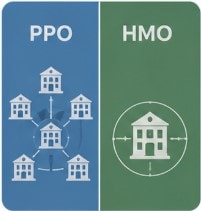
PPO vs. HMO Insurance Plans: What's the Difference?
Understand the key differences between PPO and HMO dental plans.
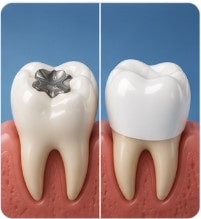
Crown vs. Filling: How Does Your Dentist Decide?
Learn when a filling is enough and when a crown is necessary.
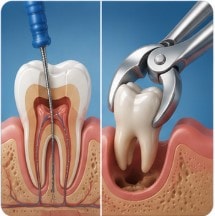
Root Canal vs. Extraction: Which Is Right for You?
Understand the key differences and how to decide which option is best.
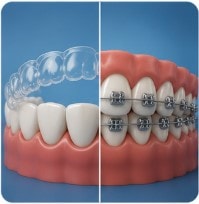
Invisalign vs. Braces: Which Is Right for You?
Compare clear aligners and traditional braces to find the right fit.